 Historical Homes

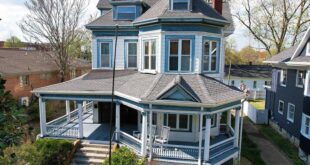
The Nymphus Holway House
(Castle La Crosse)
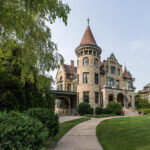
Located in the historic heart of Winona, Minnesota, the Nymphus Holway House stands as more than just a residence; it is a brick-and-mortar testament to the mid-19th-century lumber boom that transformed the upper Mississippi River valley.
Known for its striking Italianate architecture and its connection to one of the region’s most influential figures, the house remains a cornerstone of local heritage.
The Man Behind the Mansion
To understand the house, one must understand Nymphus B. Holway. Born in Maine, Holway followed the westward expansion to Winona in the 1850s. He quickly became a titan of the lumber industry, establishing mills that processed millions of feet of pine logs floated down the river from Northern Minnesota and Wisconsin.
By the time he commissioned his grand residence in the late 1870s, Holway was a symbol of the “self-made man,” and his home was designed to reflect that status.
Architectural Splendor
The Nymphus Holway House is a textbook example of the Italianate style, which was the height of fashion for wealthy Americans during the Victorian era.
The Silhouette: The house features a low-pitched hip roof with wide, overhanging eaves supported by decorative, ornate brackets.
The Masonry: Built with high-quality brick and stone accents, the structure was designed to be imposing yet elegant.
The Windows: Tall, narrow arched windows—often capped with decorative lintels—give the home its signature verticality.
The Cupola: Atop the roof sits a central cupola (or belvedere), a classic Italianate feature that provided panoramic views of the growing city and the Mississippi River beyond.
A Legacy of Preservation
While many Gilded Age mansions fell to the wrecking ball during the urban renewal phases of the 20th century, the Holway House survived. Its preservation is largely credited to the Winona community’s deep respect for its architectural history.
The house eventually transitioned from a private family residence to serving various community functions. Today, it stands as a contributing property to Winona’s historic districts, serving as a visual reminder of the era when “Lumber Kings” ruled the riverbanks.
Did You Know?
Nymphus Holway’s second wife, Jessie, was a prominent figure in her own right, known for her philanthropy and social leadership in Winona long after Nymphus passed away in 1892.
Why It Matters Today
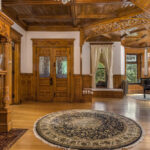
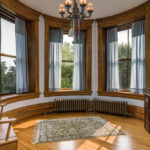
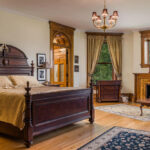
The Nymphus Holway House isn’t just a beautiful building; it’s a portal to the 1880s. It tells the story of:
Industrial Wealth: How the natural resources of the Midwest built the fortunes of early pioneers.
Architectural Evolution: The shift from functional frontier housing to high-art European-inspired estates.
Civic Identity: How Winona maintains its “Old World” charm in a modern world.
If you find yourself walking the streets of Winona, a glance up at the Holway House cupola offers a momentary escape into a time of steam engines, river rafts, and the ambitious dreams of a Maine lumberman.