 Historical Homes

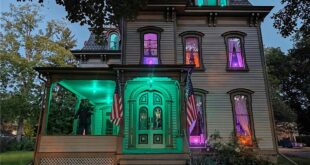
The Buckner Mansion, built in 1856 by Henry Sullivan Buckner, is one of New Orleans’ most iconic examples of Greek Revival architecture. This grand home, designed by prominent architect Lewis E. Reynolds, stands as a testament to the elegance and grandeur of the pre-Civil War South. Its imposing presence begins with a six-foot-high cast-iron fence, elaborately detailed with a honeysuckle blossom motif, resting atop a Quincy granite base.
As you step through the mahogany front door, you’re greeted by a grand center hall that stretches from the front to the rear of the home. Rich architectural details can be found throughout, including Crossette frames surrounding the doorways, topped with Corinthian-style cornices, and three massive brass chandeliers that were originally designed for candlelight but have since been electrified. These chandeliers illuminate the elegant hall, giving the space a warm, golden glow and evoking the opulence of the mansion’s original era.
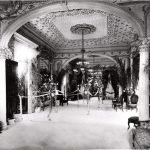
The true centerpiece of the home, however, is the triple parlor, located to the left of the center hall. These three grand rooms flow seamlessly into one another, separated only by columns supporting wide arches, creating a sense of unity and grandeur. The central parlor features a bay window, while each room boasts a two-tiered bronze dore chandelier in the Rococo Revival style. The rooms are further adorned with intricate plasterwork and ceiling medallions that highlight the architectural splendor of the mansion.
Throughout the mansion, high ceilings—16 feet in most rooms—allow for a sense of space and luxury. Ornamental plasterwork, decorative cornices, and tall windows enhance the atmosphere of classic Southern elegance. The craftsmanship extends to the finest details, from the meticulously carved woodwork to the lavish chandeliers and expansive, light-filled rooms.
The mansion was originally constructed as a family home for Buckner, a wealthy cotton magnate, at a time when New Orleans was one of the wealthiest cities in the United States. The home’s grandeur and scale reflect Buckner’s status in the social hierarchy of the era, and its design is a remarkable example of the Southern aristocracy’s taste for opulent, European-inspired architecture.
Though its history is firmly rooted in the 19th century, Buckner Mansion has also made a mark in modern pop culture. The home gained widespread recognition as a filming location for “American Horror Story: Coven”, where it became an iconic symbol of mystique and elegance. The mansion’s imposing façade, sweeping verandas, and lush gardens contributed to its hauntingly beautiful presence on screen.
The home’s historic significance extends beyond its architectural style. As one of the largest and most well-preserved antebellum homes in New Orleans, Buckner Mansion stands as a lasting symbol of the city’s rich history. Over the years, it has been carefully maintained and restored to ensure that its grandeur is preserved for future generations to admire.
Its location in the Garden District, one of New Orleans’ most prestigious neighborhoods, places it among other significant historical homes. The Garden District is known for its beautifully preserved mansions, many of which were built by wealthy plantation owners and businessmen during the 19th century. The district’s wide, tree-lined streets and historic architecture offer a glimpse into New Orleans’ past, and Buckner Mansion is a shining example of this rich cultural heritage.
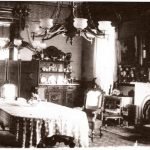
Inside, the mansion’s rooms are filled with period furniture and art, providing a window into the life of the Southern elite in the mid-1800s. Visitors can imagine the lavish parties and social gatherings that once took place in the grand parlors and dining rooms, where New Orleans’ wealthiest residents would gather to celebrate their fortunes and social status.
The Buckner Mansion is more than just a historical home; it is a living piece of New Orleans’ history. It captures the essence of a bygone era, when Southern aristocracy built grand homes to showcase their wealth and social standing. Its architectural beauty, combined with its rich history, makes it one of the most significant landmarks in the city, and a must-see for anyone interested in Southern history and architecture.
In conclusion, Buckner Mansion stands as a timeless reminder of the grandeur of 19th-century New Orleans. Its Greek Revival architecture, detailed interior craftsmanship, and historical significance make it a jewel of the Garden District and an enduring symbol of Southern elegance. Whether admired for its architectural beauty or its role in pop culture, Buckner Mansion remains a beloved and iconic piece of New Orleans’ rich heritage.