 Historical Homes
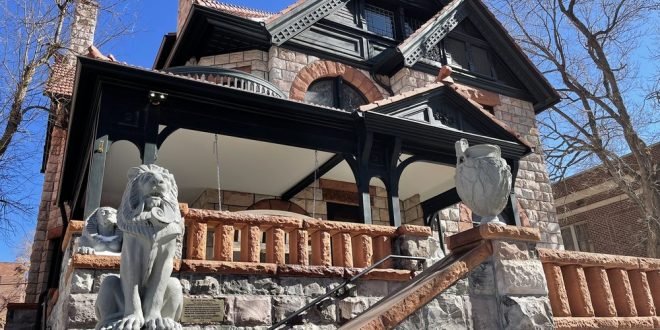
The Molly Brown House Museum, located in Denver, Colorado, is a significant historical landmark dedicated to the life and legacy of Margaret “Molly” Brown. Known for her philanthropic endeavors and her survival of the Titanic disaster, Molly Brown’s home is a testament to her remarkable life and the architectural styles of the late 19th century.
Historical Background
Margaret “Molly” Brown: Born Margaret Tobin in 1867 in Hannibal, Missouri, she moved to Leadville, Colorado, where she married James Joseph Brown, a mining engineer who struck it rich in the Little Johnny Mine. The couple moved to Denver in 1894, where they purchased the Victorian-style house that would later become the museum.
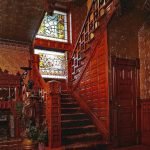
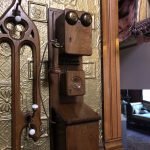
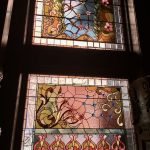
The House: Built in the 1880s, the house is an excellent example of Victorian architecture with its Richardsonian Romanesque elements. It features robust stonework, ornate wood detailing, and stained glass windows. The Browns purchased the house for $30,000 and made several renovations, adding modern amenities of the time, such as electricity and indoor plumbing.
Architectural Features
Victorian Style: The house embodies the grandeur of Victorian architecture, characterized by its asymmetrical facade, steep gabled roofs, and intricate trim work. The robust stone exterior and rounded arches are hallmarks of the Richardsonian Romanesque style, popular in the late 19th century.
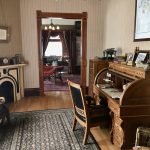
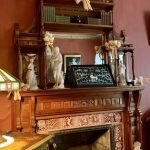
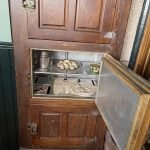
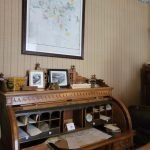
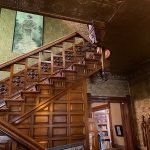
Interior Design: The interior is equally impressive, with elaborate woodwork, period furnishings, and art pieces that reflect the Browns’ wealth and status. Visitors can see rooms such as the library, dining room, and Molly’s bedroom, each meticulously restored to reflect the home’s original elegance.
Molly Brown’s Legacy
Philanthropy: Molly Brown was a renowned philanthropist, supporting various causes, including the rights of workers and women, education for children, and historic preservation. Her efforts extended internationally, as she aided in relief efforts during World War I and worked with the Red Cross.
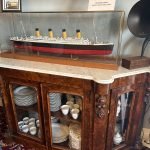
Titanic Survivor: Molly Brown gained worldwide fame as a Titanic survivor. On April 15, 1912, she boarded Lifeboat No. 6 and helped row the boat to safety. Her bravery and leadership during the disaster earned her the nickname “The Unsinkable Molly Brown.”
The Museum Today
Restoration and Preservation: The house was purchased by Historic Denver, Inc., in 1970 to prevent its demolition. Extensive restoration work has returned the home to its former glory, allowing visitors to step back in time and experience the Brown family’s life.
Exhibits and Programs: The museum offers a variety of exhibits and educational programs. These include guided tours, special exhibits on Molly Brown’s life and legacy, and events that explore the broader historical context of her time. The museum also hosts community events, lectures, and workshops.
Conclusion
The Molly Brown House Museum stands as a tribute to a remarkable woman and an important era in American history. It offers a fascinating glimpse into the life of Molly Brown, her contributions to society, and the architectural beauty of her home. As a preserved historical site, it continues to educate and inspire visitors from around the world, ensuring that the legacy of the “Unsinkable” Molly Brown endures.