 Historical Homes
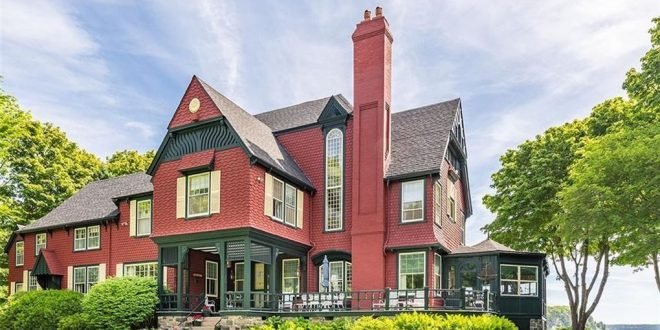
10 Barberry Lane, Bar Harbor, Maine, United States, 04609
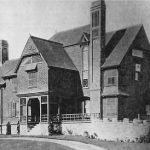
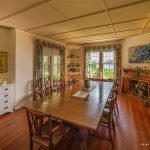
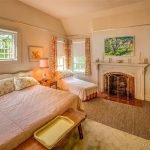
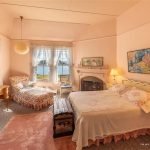
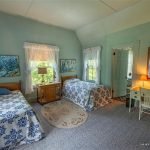
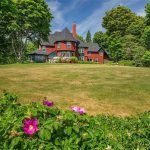
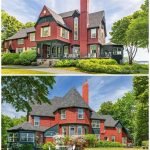
“REDWOOD” the C.J. Morrill cottage, Bar Harbor. William Ralph Emerson, architect, 1879.
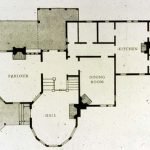
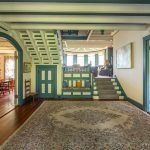
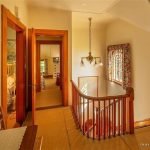
This cottage is considered a watershed moment in American architecture. Although it may not be the first fully shingled house, it was the first to be published. Along with the Watts Sherman house in Newport by HH Richardson, it is considered a turning point in design, away from the stick style toward a new American style which still resonates today. It was a turning point in Emerson’s career, the first of a dozen important cottages he would design in Bar Harbor, and his first house in what Vincent Scully christened the “Shingle Style”. The imaginatively patterned shingles and detailing were a harbinger of things to come, and Scully also lauded the plan as a breakthrough, a new and imaginative composition of interlocking spaces on differing levels (The interconnected entrance hall, staircase, and living hall are particularly imaginative). For Bar Harbor, which only 20 years before had been a hardscrabble fishing village, 1879 was a watershed year, a building boom in which more new and imposing cottages, by some of America’s best architects, were built than in any year previous, solidifying its position as a social rival to Newport.
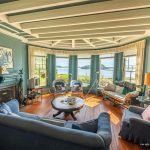
Charles J. Morrill was a prominent Boston businessman, first in the China trade, then by sage investment in railroads and banking. After his death, the cottage was by his unmarried daughters, the Misses Morrill. Later owners included J. Howland Auchincloss, whose son Louis Auchincloss was considered one of the inheritors of the Edith Wharton tradition in literature., Although there have been minor changes over the years, “Redwood” survives remarkably intact.