 Historical Homes
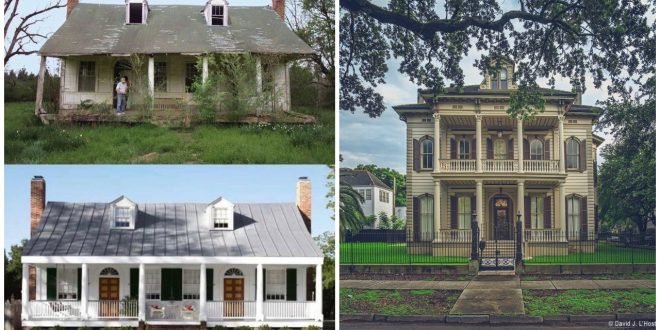

Before and After of the Laurietta House built in 1825 in Mississippi.
When high school sweethearts Maria Teresa “Tere” and William “Mac” Thomas, married for 39 years, began searching for a getaway near their hometown of New Iberia, Louisiana, Mac, an oil executive, had a hunting camp in mind. After a broker showed him the 680-acre property with rolling, wooded hills and a three-acre lake, he loved everything … except the broken-down shell of a house that came with the parcel. “It was nothing that a match couldn’t cure,” jokes Mac. And so began what Tere calls Mac’s “gift of love,” a three-year gut renovation. Photo by Björn Wallander
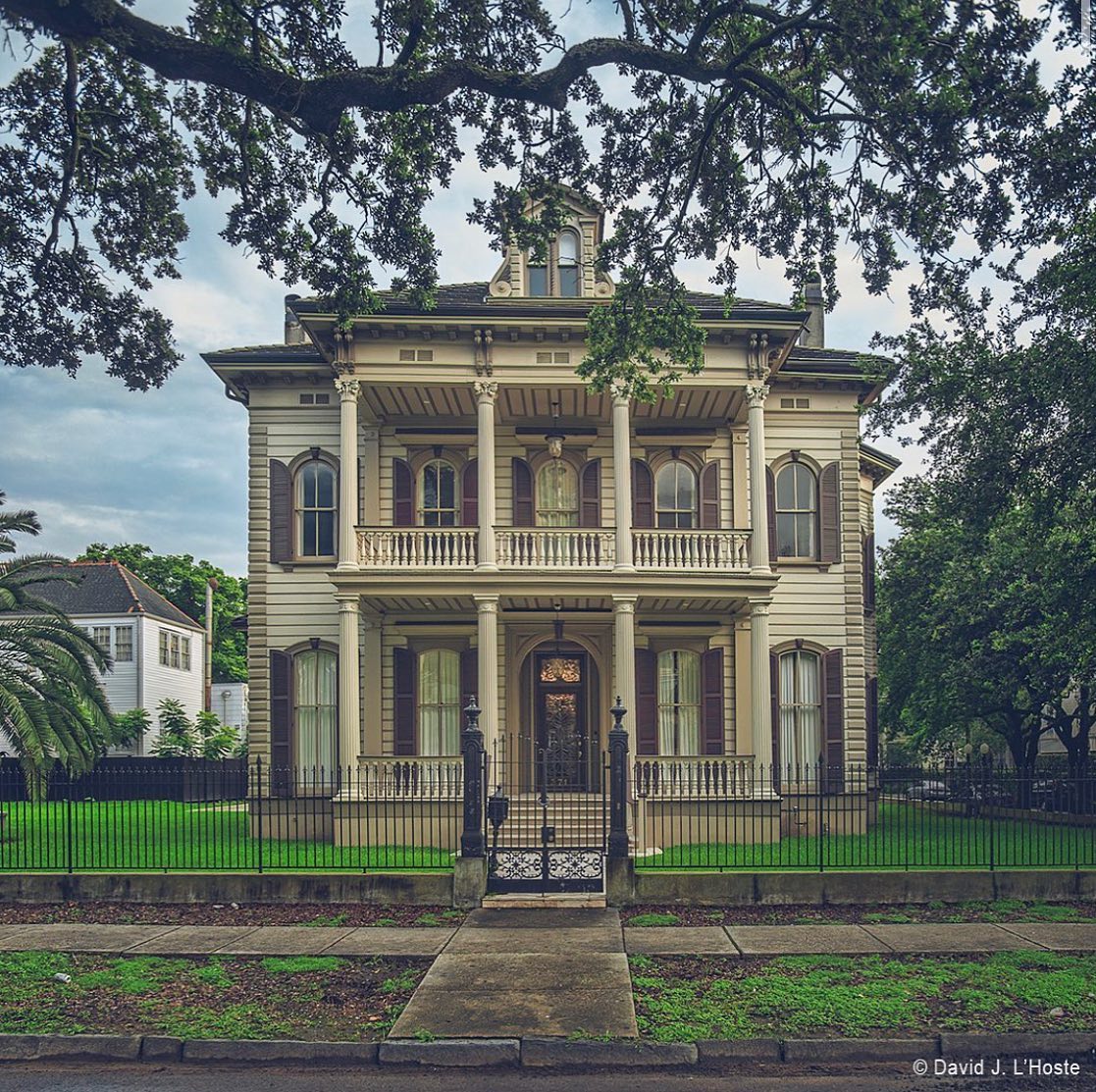
Another New Orleans mansion photo by @davidlhoste , this one once owned by Anne Rice

The Hegeler Carus Mansion, located at 1307 Seventh Street in La Salle, Illinois is one of the Midwest’s great Second Empire structures. Completed in 1876 for Edward C. Hegeler, a partner in the nearby Matthiessen Hegeler Zinc Company, the mansion was designed in 1874 by noted Chicago architect William W. Boyington. The mansion is now owned and operated by the Hegeler Carus Foundation, and is open to the public. It was designated a National Historic Landmark in 2007. Photo by @stamps.on.my.passport
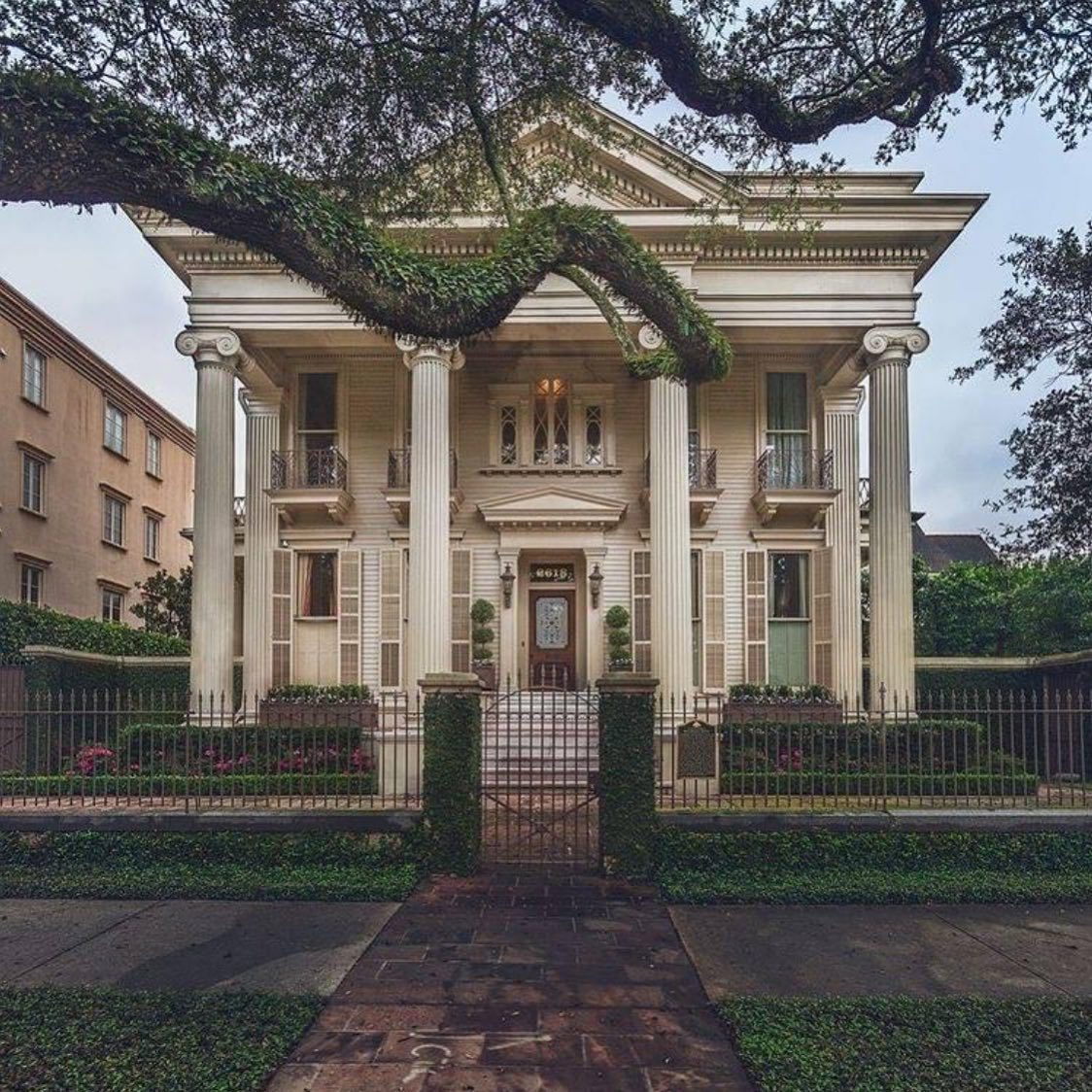
New Orleans mansion, photo by David J Hoste

George Lord Little House built in 1875 in Kennebunk, ME, photo by @photosbyshannon
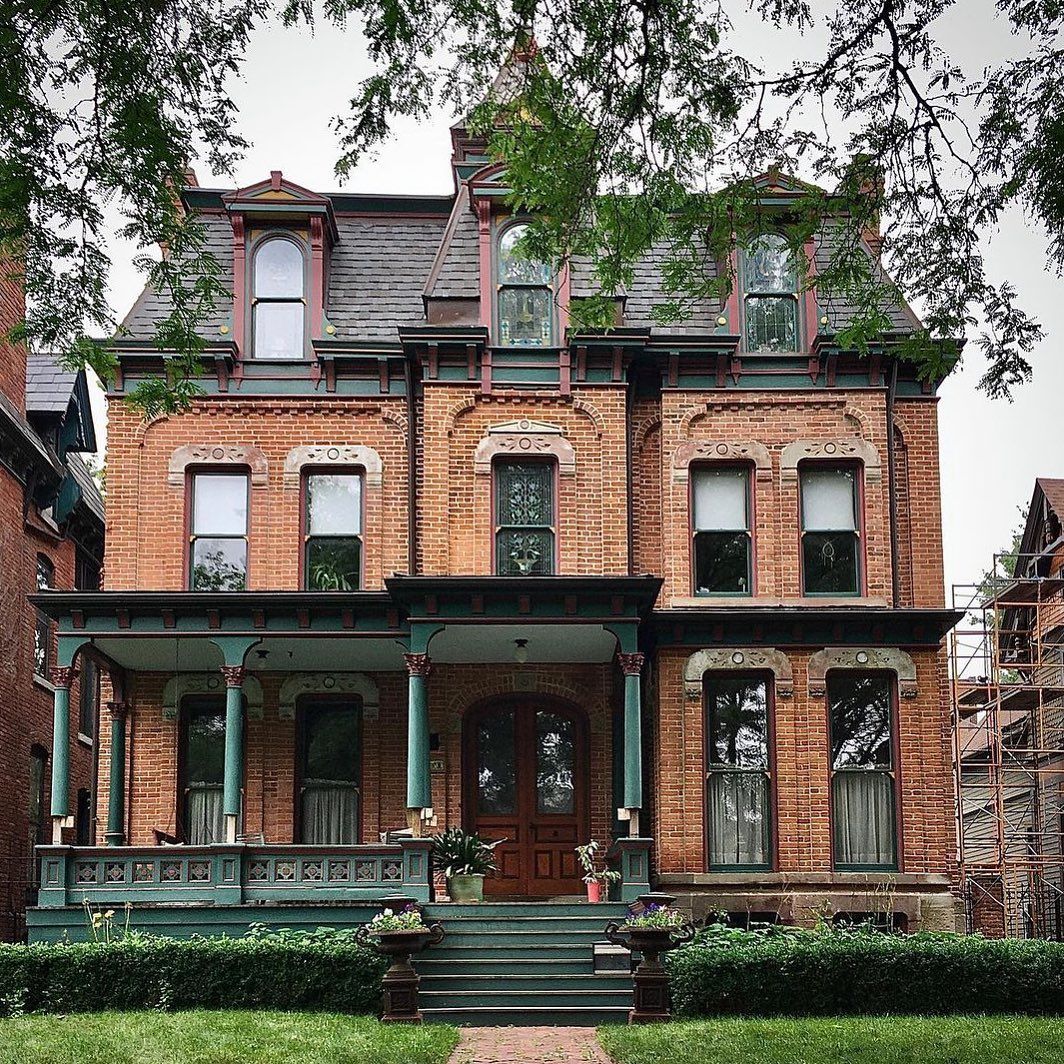
West Canfield Historic District Mansion, Detroit, MI, photo by @breathing_timemachine
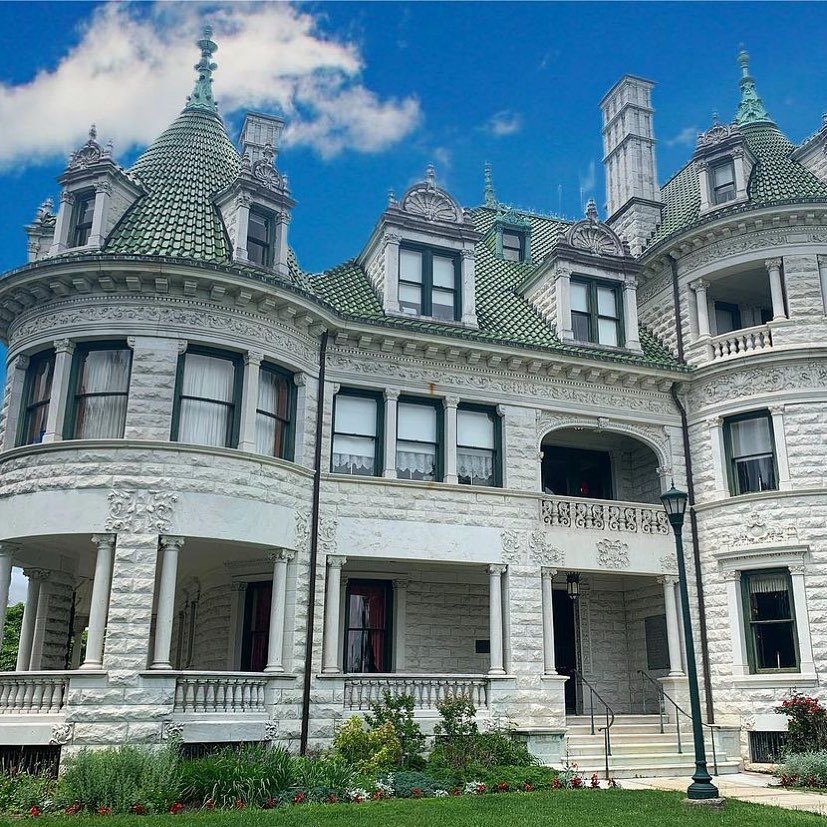
The Webb Horton House, is an ornate 40-room mansion in Middletown, New York, United States, designed by local architect Frank Lindsey. Built 1902-1906 as a private residence, since the late 1940s it has been part of the campus of SUNY Orange. This building is now known as Morrison Hall, after the last private owner, and houses the college’s main administrative offices. A nearby service complex has also been kept and is used for classrooms and other college functions. Photo by @samanthassamantiques

The James A. and Ruth M. Bailey House is a large freestanding limestone mansion located at 10 St Nicholas Place at West 150th Street in the Sugar Hill area of Harlem, Manhattan, New York City. The house was built from 1886 to 1888 and was designed by architect Samuel Burrage Reed in the Romanesque Revival style for circus impresario James Anthony Bailey of the Barnum & Bailey Circus. When it was constructed there were few other buildings in the area, and as a result, sitting as it does on an escarpment, the Bailey Mansion had a clear view to the east of the Long Island Sound. Photo by @glennb1134

The David Syme House is located in Sycamore, Illinois and is part of the Sycamore Historic District. The district was listed on the National Register of Historic Places in May 1978. The Queen Anne style home was constructed sometime around 1880. Photo by @marquisdefacade
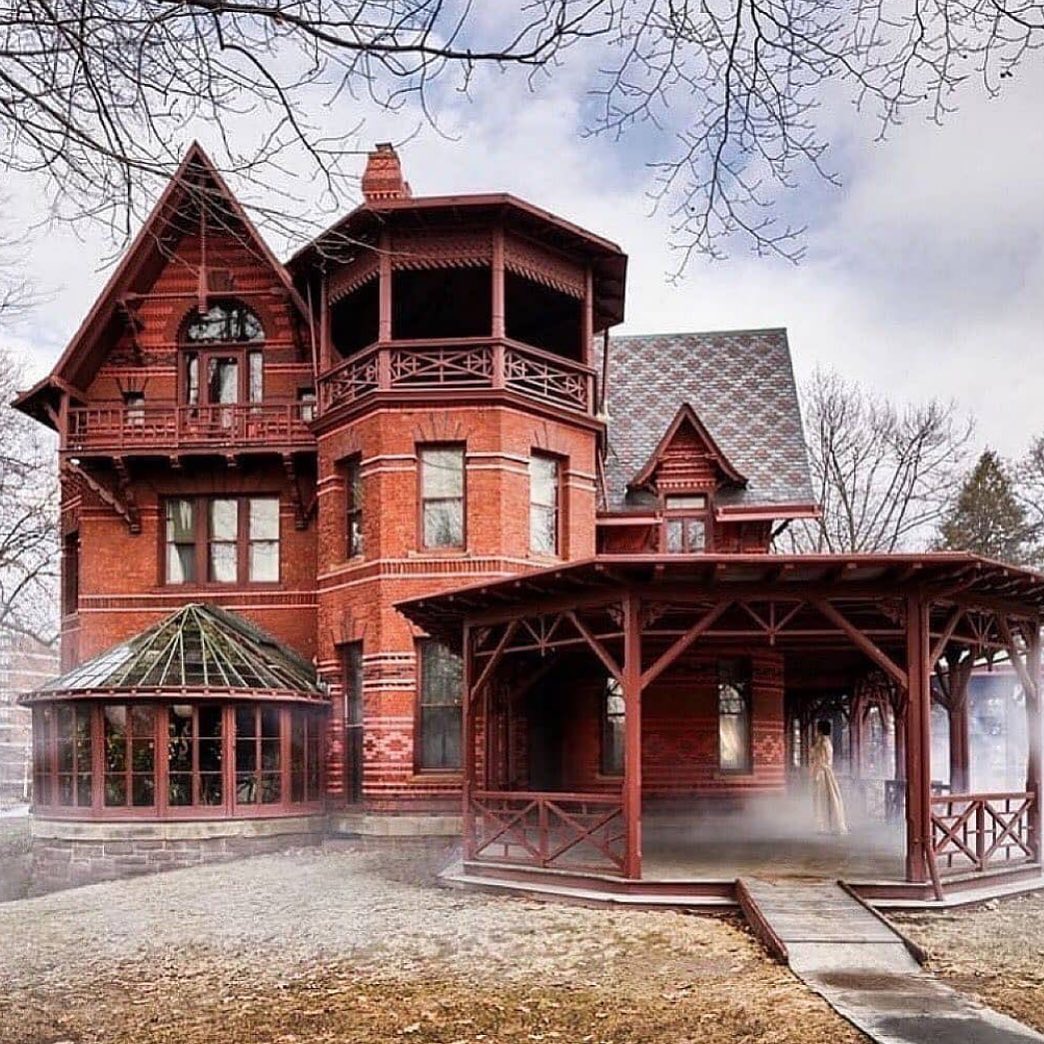
The Mark Twain House and Museum in Hartford, Connecticut, was the home of Samuel Langhorne Clemens (Mark Twain) and his family from 1874 to 1891. It was designed by Edward Tuckerman Potter and built in the American High Gothic style. Clemens biographer Justin Kaplan has called it “part steamboat, part medieval fortress and part cuckoo clock.” Photo by @amesbelgravia